Top Fishing Spots: How to Leverage Your Fish Finder to Discover Prime Locations
A quality fish finder has the power to revolutionize a fisherman's trip. Through precise fish detection and recognition of underwater formations, it greatly improves the overall fishing adventure. Knowing how to read sonar data and make use of GPS capabilities is essential. Still, a great many fishermen tend to ignore the nuances that can ultimately determine success. The path to becoming proficient with these devices and discovering prime fishing locations begins with several key approaches. Which critical components deserve careful thought?
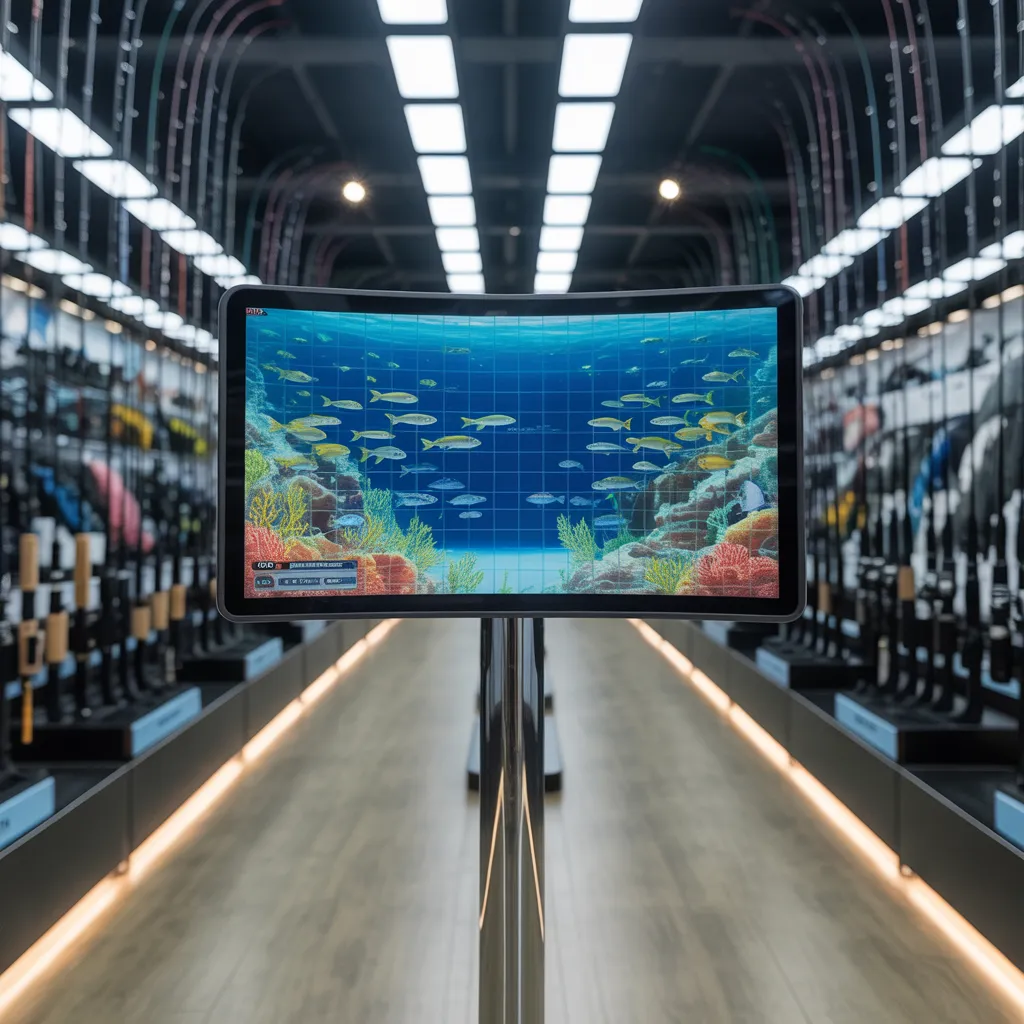
Why Every Angler Needs a Fish Finder
Many anglers find that using a fish finder significantly improves their fishing experience. This technology allows them to locate underwater structures, depth shifts, and fish populations, substantially boosting their chances of a successful catch. By delivering real-time information, fish finders enable anglers to efficiently navigate various water bodies, locating prime spots that would otherwise stay hidden.
Furthermore, fish finders often come equipped with capabilities such as GPS mapping, which assists fishers in remembering successful fishing spots for upcoming outings. The option to observe the underwater terrain aids in understanding fish habits and dietary tendencies, simplifying the process of selecting identify the right bait and strategies.
In essence, a fish finder changes fishing from simple guesswork into a calculated endeavor, furnishing anglers with the essential resources to make informed decisions. As a result, it is a beneficial purchase for both novice and seasoned fishermen of all skill levels, improving overall enjoyment and success on the water.
Learning the Core Concepts of Fish Finders
Although fish finders might appear complicated initially, grasping their fundamental components and capabilities is essential for getting the most out of them. At the core, a fish finder is made up of a transducer, which emits sonar waves into the water, and a display unit that interprets the returning signals. The transducer projects acoustic waves that ricochet off submerged objects, such as fish, underwater structures, and the bottom.
These signals return to the transducer, supplying information that appears visually on the display. This allows anglers to identify fish locations, depth, and underwater terrain. The accuracy of this information is influenced by aspects like the sonar frequency and the performance of the unit. Moreover, learning how to analyze the presented data plays a key role in productive fishing. Knowledge of these fundamental components allows fishermen to make well-informed choices, improving their fishing results and overall success.
Key Features of a Fish Finder
Recognizing the basic parts of fish finders provides the basis for recognizing their critical features. Fundamental to these devices is the sonar capability, which uses ultrasonic waves to discover aquatic objects, including aquatic life and structures. The display screen is another essential element, offering a graphical display of the sonar data, commonly equipped with adjustable parameters for precision and detail.
Transducer units, designed for emitting and capturing acoustic signals, differ in beam angle and frequency, impacting detection range and coverage zones. GPS functionality expands capabilities by allowing users to tag and locate particular fishing locations. Moreover, functions like mapping capabilities and depth alarms promote a better-informed angling experience.
Ultimately, combining these features enables anglers to locate and target fish more effectively, boosting their odds of a rewarding experience. Understanding these key aspects empowers users to make informed decisions when selecting a fish finder.
How to Optimize Your Fish Finder Settings
Fine-tuning fish finder settings can considerably boost an fisherman's ability to find fish and submerged structures. To accomplish this, anglers should begin by calibrating the sensitivity. Increased sensitivity can uncover greater detail, while decreased sensitivity reduces clutter. Furthermore, the frequency setting plays a key role; higher frequencies provide better detail in shallow waters, whereas lower frequencies cover greater depths.
Modifying the transducer cone angle plays a significant role as well. A wider cone angle provides a wider field of view, but could diminish image clarity, while a more restricted angle ensures focused detail in designated zones.
Additionally, cycling through imaging modes, such as downward imaging or lateral imaging, can aid in viewing underwater landscapes with improved clarity. Finally, regularly calibrating the fishfinder maintains top performance. By optimizing these settings, anglers can considerably boost their success in finding fish and improving their overall fishing experience.
Reading Fish Finder Data
Understanding fish finder readings necessitates a strong knowledge of sonar technology, as it is the backbone of these instruments. Identifying fish symbols and interpreting depth indicators are essential for productive fishing techniques. This understanding allows anglers to reach informed decisions about the best locations to cast.
Exploring Sonar Technology
As anglers delve into the world of fish-finding devices, mastering the fundamentals of sonar technology proves vital for productive fishing excursions. Sonar, short for Sound Navigation and Ranging, utilizes sound waves to identify objects underwater. Fishfinders send out sound signals that move through the water, reflecting off objects like fish, rocks, and the seabed. The device then analyzes these echoes, presenting them as visual data on a screen. Knowing the difference between traditional 2D sonar and advanced CHIRP (Compressed High-Intensity Radiated Pulse) can improve an angler's capacity to locating fish more effectively. By interpreting the depth, size, and density of these echoes, anglers can more effectively plan their fishing efforts, leading to a more rewarding experience on the water.
Understanding Fish Symbols
What are the best ways for anglers to recognize fish symbols on their fish finders? Comprehending the different displays on the screen is crucial for a productive fishing experience. Fish finders commonly represent fish through symbols or icons, usually taking the form of arcs or fish outlines, which point to fish activity in the water column. Anglers must recognize that these symbols change according to the model and adjustments of their fish finder. The dimensions and hues of the symbols can provide further information; more prominent symbols often indicate larger fish. Moreover, differentiating baitfish from game fish plays a significant role in successful angling. Through correctly reading these icons, fishermen can improve their odds of locating the desired species in their favorite fishing locations.
Reading Depth Indicators
Recognizing fish markers on a fish finder offers a strong foundation for reading depth indicators. These readings display the underwater terrain and water column, essential for locating fish. Depth readings typically appear in meters or feet, enabling anglers to assess how deep they are casting. A uniform depth can signal ideal fishing grounds, while unexpected variations may indicate underwater structures, such as ledges or underwater formations, that bring in fish. Anglers should learn more also take note of the intensity and color of the signals; stronger color signals often indicate denser objects, like fish clusters. Recognizing these patterns enables anglers to plan effectively about optimal casting spots, increasing their chances of a successful catch.
Discovering Hotspots With Your Fish Finder
Whereas numerous anglers trust their instincts and experience to discover fish, utilizing a fish finder can greatly enhance their ability to identify hotspots. A fish finder employs sonar technology to identify submerged structures, fish populations, and depth changes, making it an essential device for identifying highly productive fishing zones.
To efficiently identify prime fishing spots, anglers should pay attention to features such as drop-offs, submerged rocks, and vegetation, which commonly serve as gathering points for fish. The fish finder's screen will indicate these structures, allowing anglers to focus their efforts where fish are most likely to gather.
In addition, tracking the temperature and clarity of the water can improve the identification of hotspots. Each species has its own preferred environment, and these details can be detected using a fish finder. By combining this technological insight with traditional fishing knowledge, fishing enthusiasts can significantly enhance their success rate and maximize their time on the water.
Frequently Asked Questions
Is It Possible to Use a Fish Finder From Shore or Just on a Boat?
Fish finders can be utilized from the shoreline, but its effectiveness depends on the model and environment. Many shore anglers find portable units beneficial for scanning nearby waters, enhancing their fishing experience and success.
How Do Weather Conditions Impact Fish Finder Performance?
Weather conditions greatly impact fish finder performance. Temperature fluctuations, heavy rain, or powerful winds may disrupt the clarity and accuracy of signals, impacting the device's ability to detect fish activity and underwater structures in various environments.
What Kinds of Fish Are Most Frequently Identified by Fish Finders?
Fish-finding devices frequently identify fish such as bass, catfish, and trout. These devices employ sonar technology to locate fish, giving anglers valuable information into fish populations beneath the surface and increasing their odds of catching fish.
Can Mobile Apps Be Used to Enhance Traditional Fish Finders?
Absolutely, numerous mobile applications support classic fish finders by offering up-to-date information, map functions, and shared knowledge. These apps enhance the overall fishing journey, enabling fishermen to identify key locations and monitor conditions with greater accuracy.
How Often Should I Update My Fish Finder Software?
Specialists advise refreshing fish finder programs at minimum once a year or whenever a new version is released. Regular updates enhance functionality, increase accuracy, and secure compatibility with evolving technology, ultimately improving the fishing experience for anglers.